Swasthya Sathi
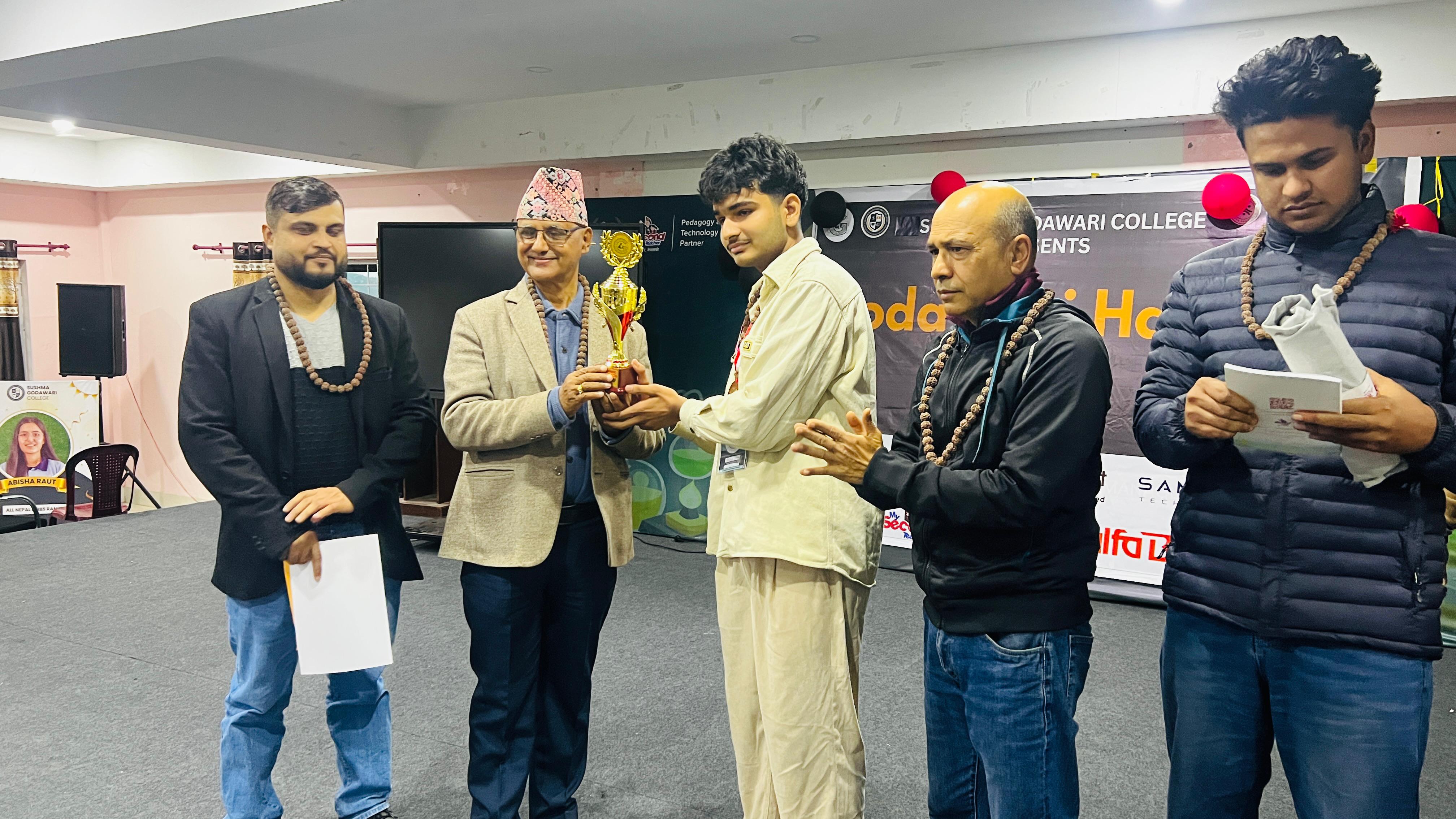
Built in 24 hours at Godawari Hacks, a high school hackathon hosted by Sushma Godawari College in Itahari, Nepal (January 2026).
Demo
The Problem
Rural Nepal has a serious healthcare access problem. The doctor-to-patient ratio in remote areas is worse than 1:10,000, and people often have to walk over 10 miles just to reach the nearest health post. On top of that, power cuts and spotty internet make things even harder.
But the bigger issue is literacy. Around 60% of mothers in contexts like rural Nepal are non-literate, which means a standard text-based health app is basically useless to them. Even some local health workers struggle with complex medical language. The people who need health information the most are the ones most locked out by how we usually deliver it.
The Solution
Swasthya Sathi is a voice-first health companion built for Nepali communities. Instead of assuming users can read, it lets them speak in their own language and get answers back the same way. It's built around three things:
Accessibility - Voice input in conversational Nepali. No reading required. Research shows voice interfaces get 26% higher task success rates with non-literate users, and speaking is something everyone already knows how to do.
Intelligence - An AI chatbot that remembers context and user history to give personalized guidance. Users can also take a photo of a symptom, rash, or medication and get instant analysis.
Trust - Built on verified medical sources. A big part of the problem in rural communities is health misinformation, so the app actively corrects common myths while being respectful of cultural beliefs. For example, clarifying that diabetics can have sugar in moderation, or that moderate exercise actually lowers blood pressure.
Core Features
- AI Chat - Conversational interface in Nepali with voice input and photo capture for symptom analysis.
- Dashboard - Personalized daily health suggestions based on the user's history, with insights in plain language.
- Health Insights - Tracks symptoms, medications, and habits over time to spot patterns.
- Medical Myth-Busting - Cross-references verified sources to push back on misinformation.
Technical Approach
Mobile-first, built for low-bandwidth environments. The chatbot is powered by the Google Gemini API, which handles natural language understanding and generates responses in Nepali.
For the photo/environment analysis feature, rather than doing a straight image upload, video frames are extracted with a slight delay alongside the user's speech. Both are sent together to Gemini so it can understand not just what the user is saying but also the context of what's around them. This made the analysis feel a lot more aware of the situation rather than just reacting to an isolated image.
Limitations
With only 24 hours, photo-based queries don't yet respond in Nepali, only text chat is fully localized. Telemedicine integration with district hospitals and health worker partnerships are saved for future iterations.
Project Info
Swasthya Sathi
An AI-powered healthcare companion built for rural Nepal. Voice-first, Nepali-language health guidance, symptom checking, and medical myth-busting. Built for communities where the nearest doctor is 10+ miles away.